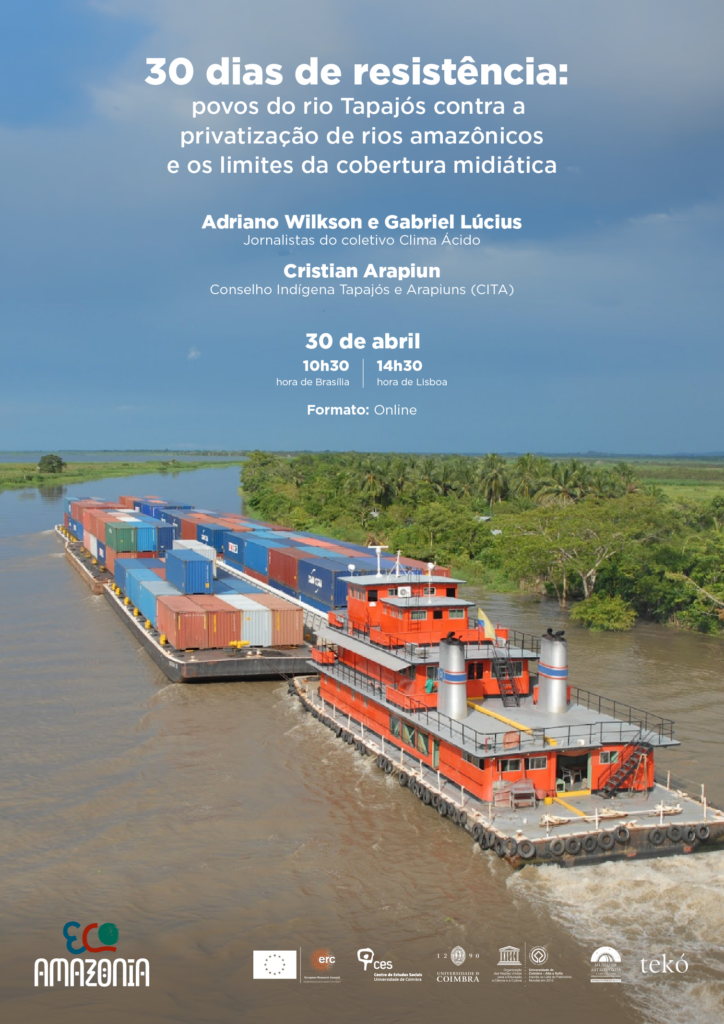
Since January 2026, peoples of the Tapajós River, including Indigenous and riverine communities, in articulation with civil society organizations and socio-environmental movements, have mobilized against Decree No. 12.600/2025, which included more than 3,000 kilometers of Amazonian rivers — such as the Tapajós, Madeira, and Tocantins — in the National Privatization Program, opening the way for the concession of waterways to private actors. The occupation of the Cargill port in Santarém (Pará), together with boat demonstrations, blockades, and the occupation of a grain barge, highlighted the socio-environmental impacts associated with dredging and the expansion of large-scale navigation aimed at commodity transport. The mobilizations denounced the absence of free, prior, and informed consultation, as established by ILO Convention 169, and warned of risks such as riverbank erosion, impacts on food security, and the remobilization of contaminants such as mercury and agrochemicals. With the participation of approximately 1,200 leaders, the movement became a significant case in recent disputes over infrastructure and territorial rights in the Amazon and, unlike many similar conflicts, was considered successful by its participants, as it managed to pressure public authorities and significantly expand critical visibility regarding the project.
The conversation will discuss what was at stake in this process, understood not only as an environmental conflict but also as a political and epistemic one, involving different conceptions of river, territory, and development. It will address the limits of mainstream media coverage, as well as coverage by sectors of progressive media, highlighting the role of independent outlets and environmental journalism collectives, such as Clima Ácido, in producing critical narratives about the contemporary Amazon. The session will feature journalists who directly followed the mobilization and proposes a reflection on regimes of visibility that shape public debate on climate justice, infrastructure, and Indigenous rights.
Speakers: Adriano Wilkson and Gabriel Lúcius (journalists from the Clima Ácido collective)
April 30
10:30 (Brasília time) | 14:30 (Lisbon time)
Online
Zoom Link:
https://us02web.zoom.us/j/89377424071?pwd=c9JRfTq9ssoFPH49dYUhNktIJTYYjN.1